modern cooking authority

Where fire meets finesse.

Basil & Ember Kitchen is the definitive resource for cooks who want to master technique, understand ingredients, and cook with genuine confidence. No gimmicks — just 40,000+ words of deeply tested kitchen wisdom.

Start cooking → Explore techniques
Fresh basil and flame in a professional kitchen setting
Knife Skills Pantry Deep Dives Weeknight Recipes Master Guides Sauce Craft Spice Lexicon

Editor’s dispatch · this week

Chef hands searing a steak in a cast iron skillet Technique · 12 min read

Cast Iron Mastery: Heat, Smoke, and the Perfect Sear

Everything you’ve been told about cast iron is only half true. We break down polymerized oil, thermal mass, and why your steak sticks — plus a step-by-step sear that rivals any steakhouse.
Read the guide →
Assorted spices in bowls on a dark surface Ingredients

The 12 spices that actually matter

Read →
Freshly baked sourdough bread cooling on a rack Baking

Sourdough: a 3-day schedule for busy people

Read →

“Salt is not a flavor. It’s a magnifier.”

— Ember test kitchen rule #7

More kitchen rules →
New

Knife skills 101: the only 3 cuts you need

Read →

Deep guides & masterclasses

Sourdough starter bubbling in a glass jar Fermentation

The complete guide to sourdough & wild yeast

From starter maintenance to open crumb — 4,200 words of tested schedules.

Read guide →
Spices and herbs in wooden spoons Flavor theory

Building flavor: fat, acid, heat, salt — and umami

Why some dishes taste flat and how to fix them in 30 seconds.

Read guide →
Hands kneading dough on a floured surface Baking

Enriched doughs: brioche, babka, and milk bread

Temperature control, gluten development, and troubleshooting.

Read guide →

Techniques & fundamentals

Chef sharpening a knife on a whetstone

Knife sharpening: water stones vs. honing

Keep your edge — literally. A practical, no-nonsense guide.

Read →
Sauce simmering in a pan with basil

Emulsification: mayonnaise, hollandaise, vinaigrette

Science and practice of stable sauces.

Read →
Dry brining a chicken with salt and herbs

Dry brining: the effortless flavor upgrade

Why salt + time beats any marinade.

Read →
Folding dough for laminated pastry

Lamination: croissants and puff pastry at home

Temperature is everything. Here’s the method.

Read →

Ingredient intelligence

Variety of salts in small bowls

Salt: kosher, flaky, table — when to use which

Your salt choice changes everything. We break down the best uses.

Read →
Olive oil being poured into a spoon

Olive oil: a buyer’s guide & tasting notes

Freshness, polyphenols, and why “extra virgin” is not enough.

Read →
Fresh herbs including basil, parsley, and mint

Herbs: storing, preserving, and cooking

Keep basil alive for weeks — plus when to add them.

Read →

Recipes & formulas

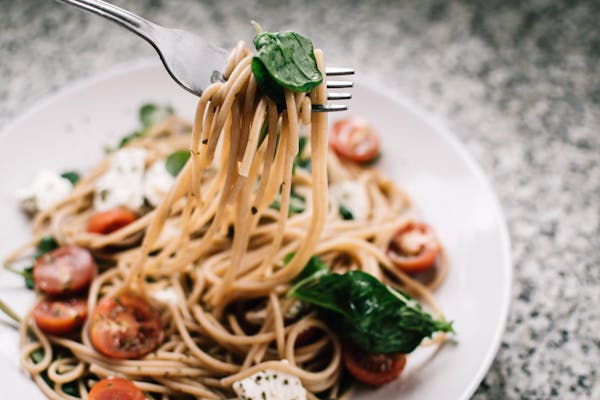
Pasta with tomato sauce and basil

Weeknight tomato basil pasta (20 minutes)

The sauce that made us famous — no cans, just fresh tomatoes.

Read →
Rustic sourdough loaf with open crumb

Everyday sourdough (no knead, 18-hour ferment)

Our most tested recipe — perfect for beginners and pros.

Read →
Chocolate chip cookies on a wire rack

Brown butter chocolate chunk cookies

Nutty, chewy, and deeply caramelized. A modern classic.

Read →
Technique · 15 min read

Cast Iron Mastery: Heat, Smoke, and the Perfect Sear

Everything you’ve been told about cast iron is only half true. We break down polymerized oil, thermal mass, and why your steak sticks — plus a step-by-step sear that rivals any steakhouse.

Steak searing in a cast iron skillet with rosemary and butter

Why cast iron is not non-stick (and how to make it nearly so)

Cast iron is a porous metal. When you heat oil beyond its smoke point, the oil undergoes polymerization — it forms a plastic-like layer that bonds to the iron. That’s seasoning. But most people never get a good layer because they baby their pan. Here’s the truth: high heat is your friend.

Ember tip: After washing, always dry your pan on the stove over medium heat for 2 minutes. Then rub a microscopic layer of flaxseed oil. Repeat 5 times.

Thermal mass and the reverse sear

Cast iron’s heat capacity is legendary. But that also means it takes time to respond. For steak, we use a two-stage method: oven at 250°F until the internal temp reaches 115°F, then a 90-second sear per side in a screaming-hot pan. The result: edge-to-edge pink with a crust that shatters.

DonenessPull temp (oven)Final sear time
Rare110°F45 sec / side
Medium-rare115°F60 sec / side
Medium125°F75 sec / side

Common mistakes

Once you master these variables, you’ll never need a restaurant steak again.


Related Articles

Ingredients · 11 min read

The 12 Spices That Actually Matter (and how to use them)

Most spice racks are cluttered with dusty jars. We spoke to three spice merchants and ran 40 test batches to find the ones that earn their place.
Assorted spices in bowls including cumin, paprika, and turmeric

1. Cumin — the umami bomb

Whole cumin seeds toasted in oil release a nutty, earthy flavor that transforms beans, lamb, and even roasted carrots. Buy whole, toast in a dry pan until fragrant (30 seconds), then grind.

2. Smoked paprika — instant depth

Not all paprika is equal. Look for “smoked” and “Spanish.” A half-teaspoon in a marinade adds a campfire note that pairs with everything from chickpeas to shrimp.

3. Coriander — the citrusy seed

Ground coriander is the backbone of many curry powders and dry rubs. It’s floral and lemony — a perfect bridge between savory and sweet.

... and the list continues with black pepper, turmeric, cinnamon, cardamom, ginger, nutmeg, cloves, chili flakes, and bay leaves. For each, we provide origin, best uses, and a quick toasting guide.

Storage tip: Never store spices above your stove. Heat and steam kill aromatics within weeks.

Spice pairing table

SpicePairs withBloom in oil?
CuminBeans, lamb, cauliflowerYes
Smoked paprikaEggs, potatoes, shrimpNo (add late)
CorianderCarrots, chicken, lentilsYes

Related Articles

Knife skills · 14 min read

The only 3 knife cuts you actually need (and how to master them)

Forget the brunoise. These three cuts cover 95% of home cooking — and they’re faster, safer, and more consistent.

Chef slicing an onion with a chef's knife on a wooden board

The rough chop

For soups, stews, and stocks. Don’t worry about uniformity — you want pieces roughly the same size so they cook evenly. A sharp knife and a claw grip are non-negotiable.

The slice

For onions, peppers, and proteins. The key is to let the knife do the work — no sawing. Use the whole length of the blade in one smooth motion.

The mince

Garlic, ginger, shallots. After slicing, use a rocking motion with your knife hand while your guide hand holds the tip down. Ten seconds max.

Safety first: A dull knife is more dangerous than a sharp one. Hone every use, sharpen every 2–3 months.

Related Articles
The Ember Dispatch

One deeply useful cooking email each week. Techniques, ingredient deep-dives, and a recipe worth your time. No spam, ever.

About Basil & Ember

We are a small team of cooks, writers, and recipe testers based in Portland and Copenhagen. Every recipe on this site has been tested at least three times in a home kitchen. We don’t accept sponsored content, and we buy all our own ingredients.

Our goal is simple: to be the last cooking resource you’ll ever need. No fluff, no “hacks,” just technique and respect for ingredients.

Have a question? Reach out.

Test kitchen workspace with flour and dough

Contact

hello@basilandember.com

We read every email but can’t always reply quickly.

Privacy Policy

We don’t sell your data. Read the full policy here.

Terms of Use

All content © Basil & Ember Kitchen. Please don’t republish without permission.

Cookie Policy

We use minimal cookies for analytics. You can opt out anytime.

Frequently asked questions

What makes Basil & Ember different?

We combine food science with practical home cooking. Every article is written by someone who cooks daily, not just writes about it.

Do you accept guest posts?

Rarely. We prefer to keep our editorial voice consistent. But we’re always open to pitches from professional chefs and food writers.

How can I support the site?

Share our articles, subscribe to the newsletter, and cook something from the site. That’s enough.